
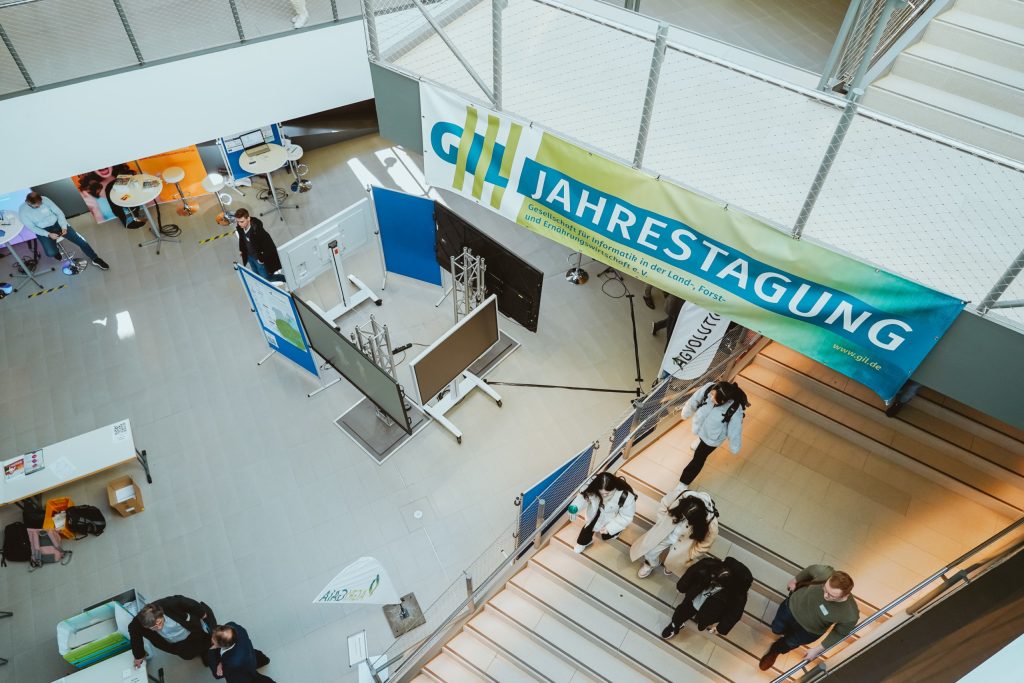
More than 300 participants discuss current challenges and solutions in agricultural informatics at Osnabrück University of Applied Sciences
(Osnabrück, February 15, 2023). Record attendance at the Westerberg campus of
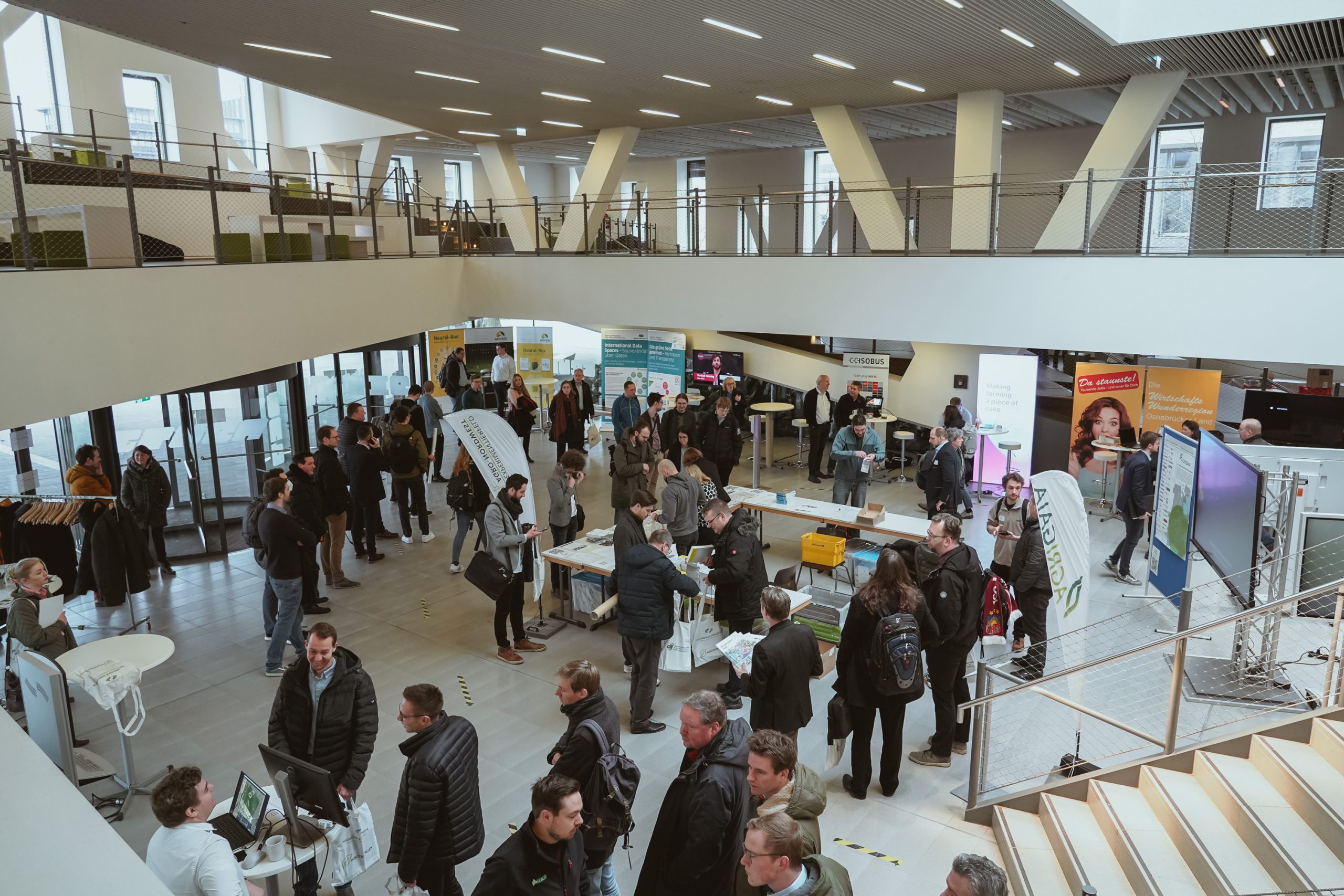
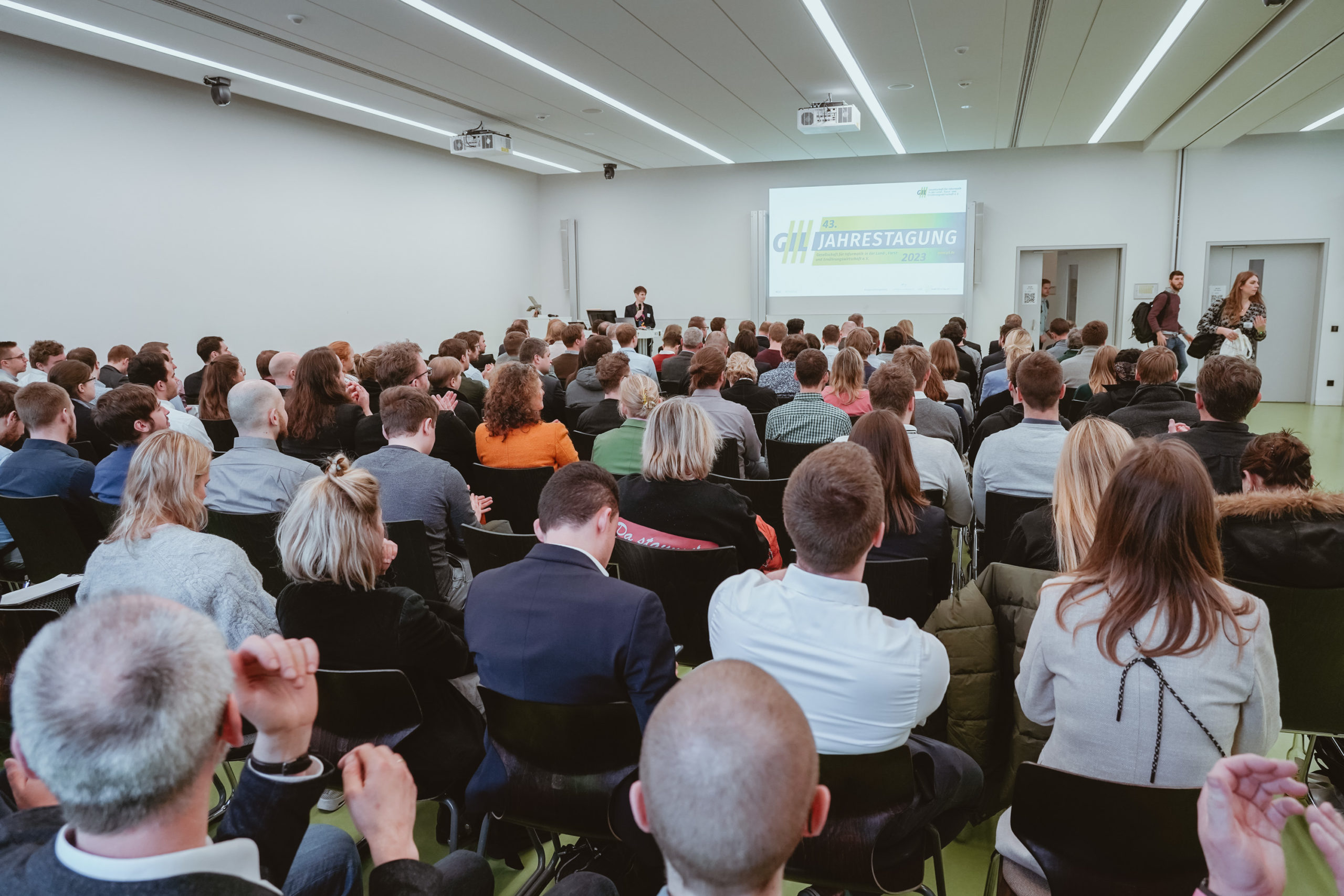
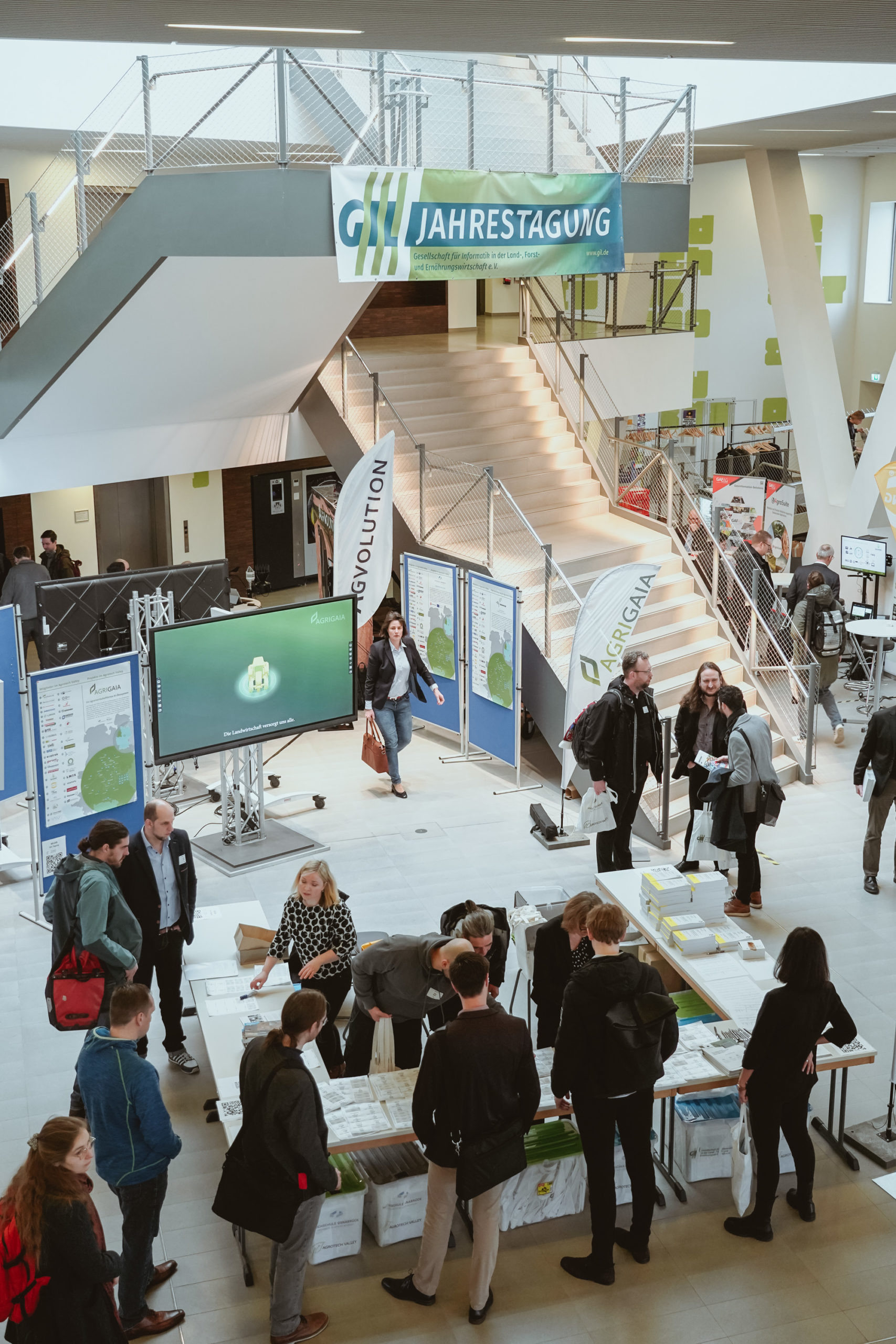
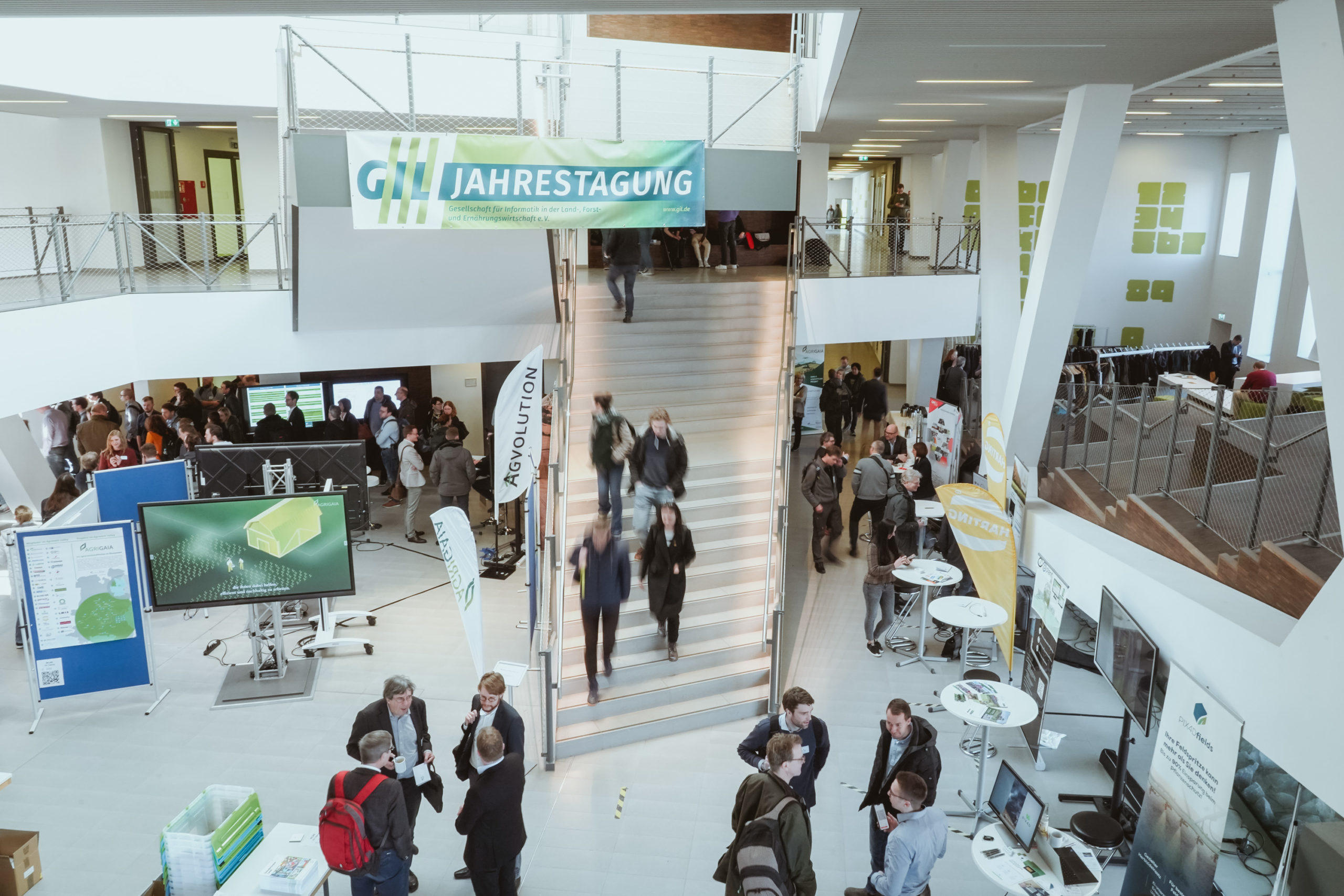
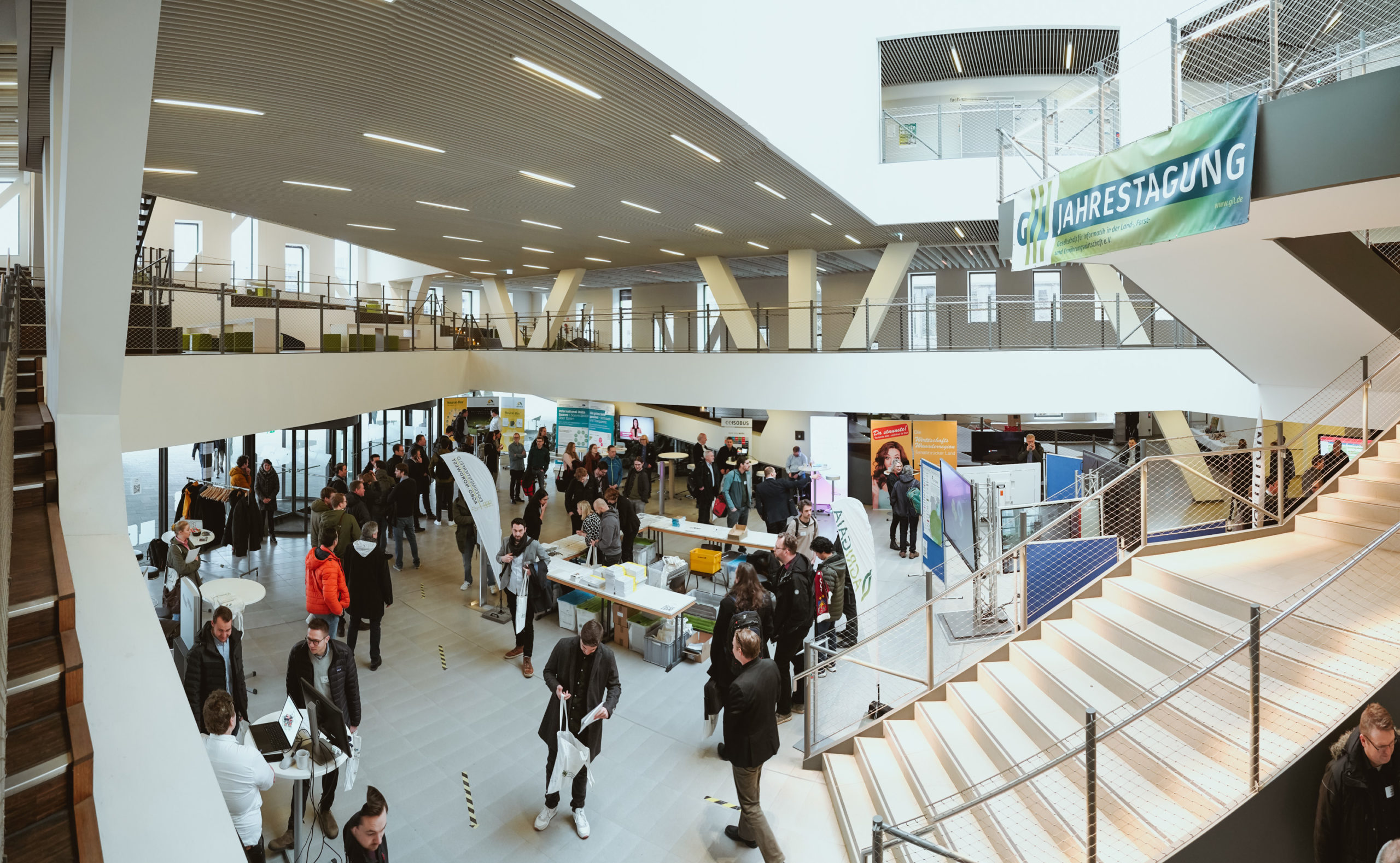
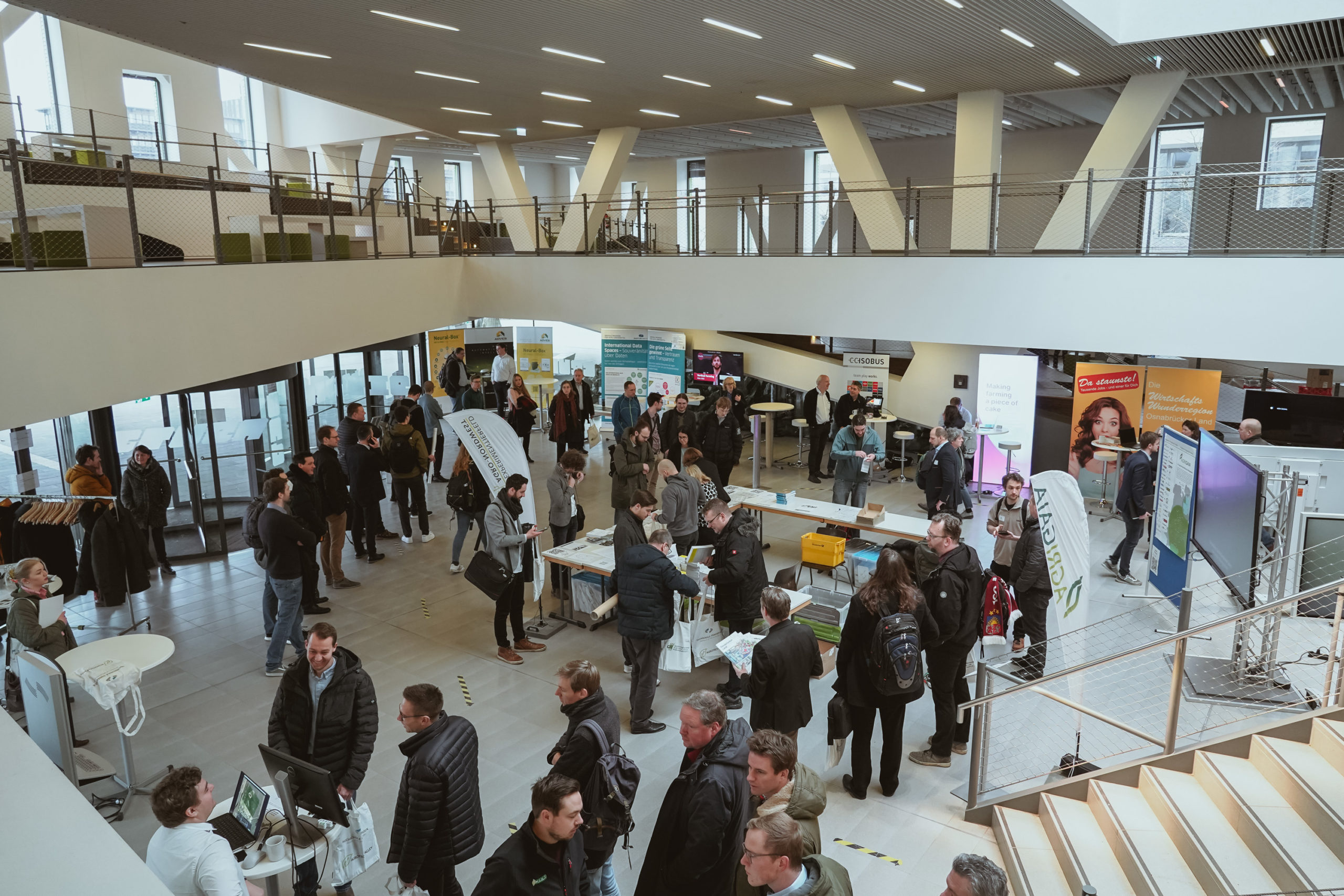
Osnabrück University of Applied Sciences: this week, more than 300 interested people are discussing the current challenges of the digital agriculture and food industry. The event was organized by the German Society for Informatics in Agriculture, Forestry and Food (GIL) in cooperation with Osnabrück University of Applied Sciences and the Agrotech Valley Forum e. V. “We are overwhelmed by the great response to our 43rd annual conference, both from universities and other research institutions and from the business sector,” says Dr. Christa Hoffmann. For the Chair of the GIL, one thing is clear: “In recent years, the Osnabrück region has developed into one of the hotspots for agricultural systems engineering and AI in agriculture and is therefore ideal as a conference venue for us.”
Around 100 talks and poster presentations cover topics such as data management,
robotics, crop protection and sensor technology. The program is rounded off by a visit to the neighboring
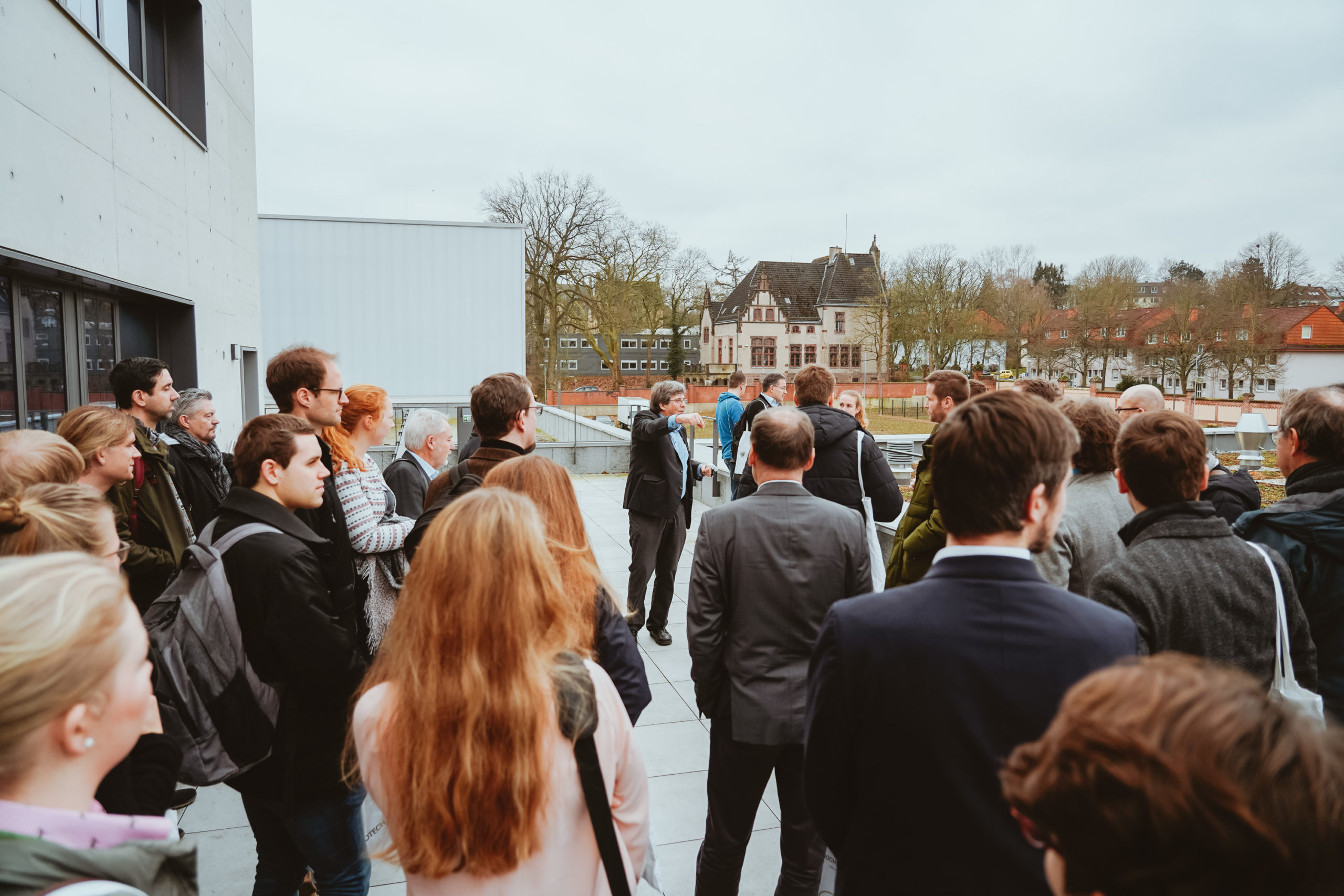
new Agro-Technicum research center of Osnabrück University of Applied Sciences and a
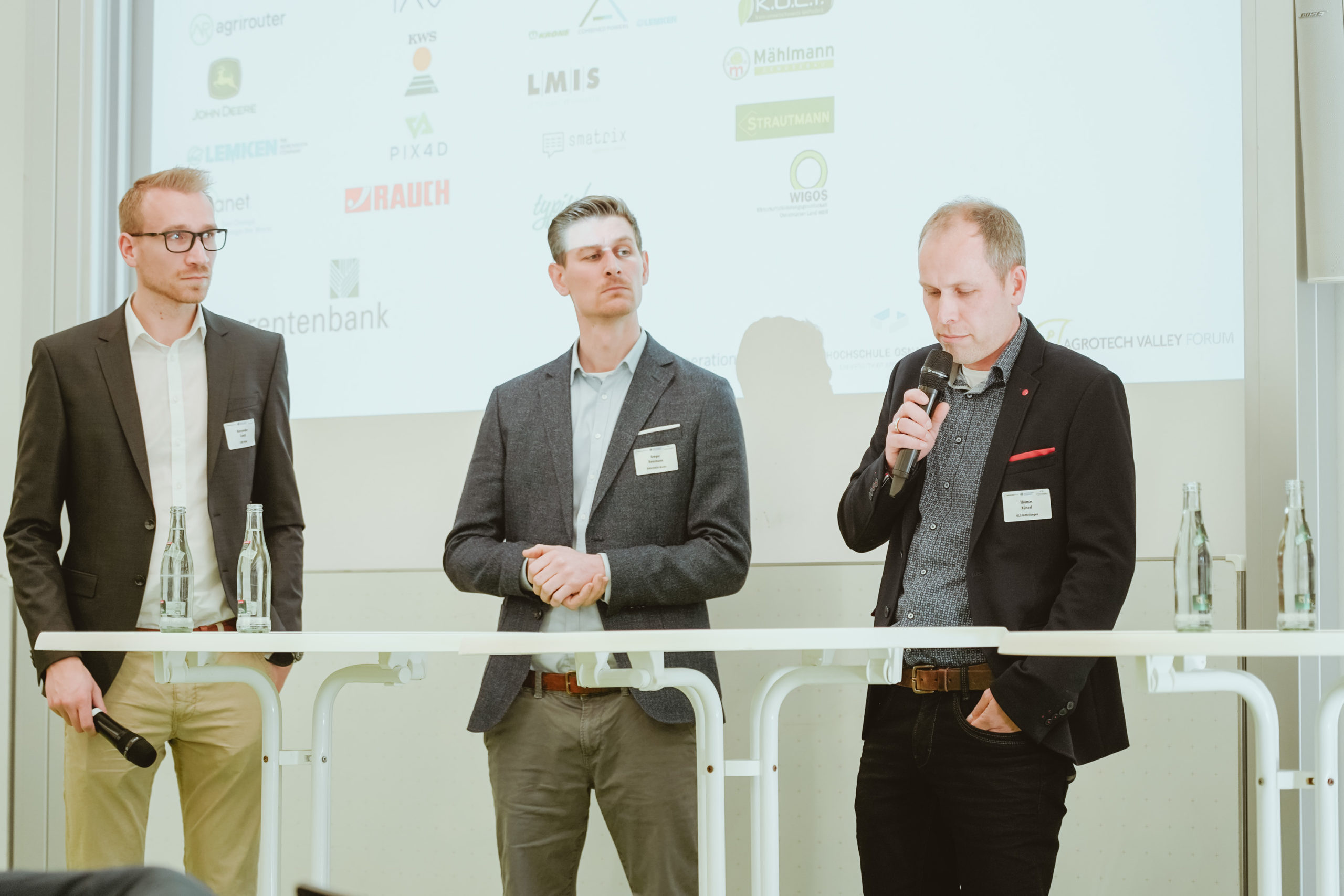
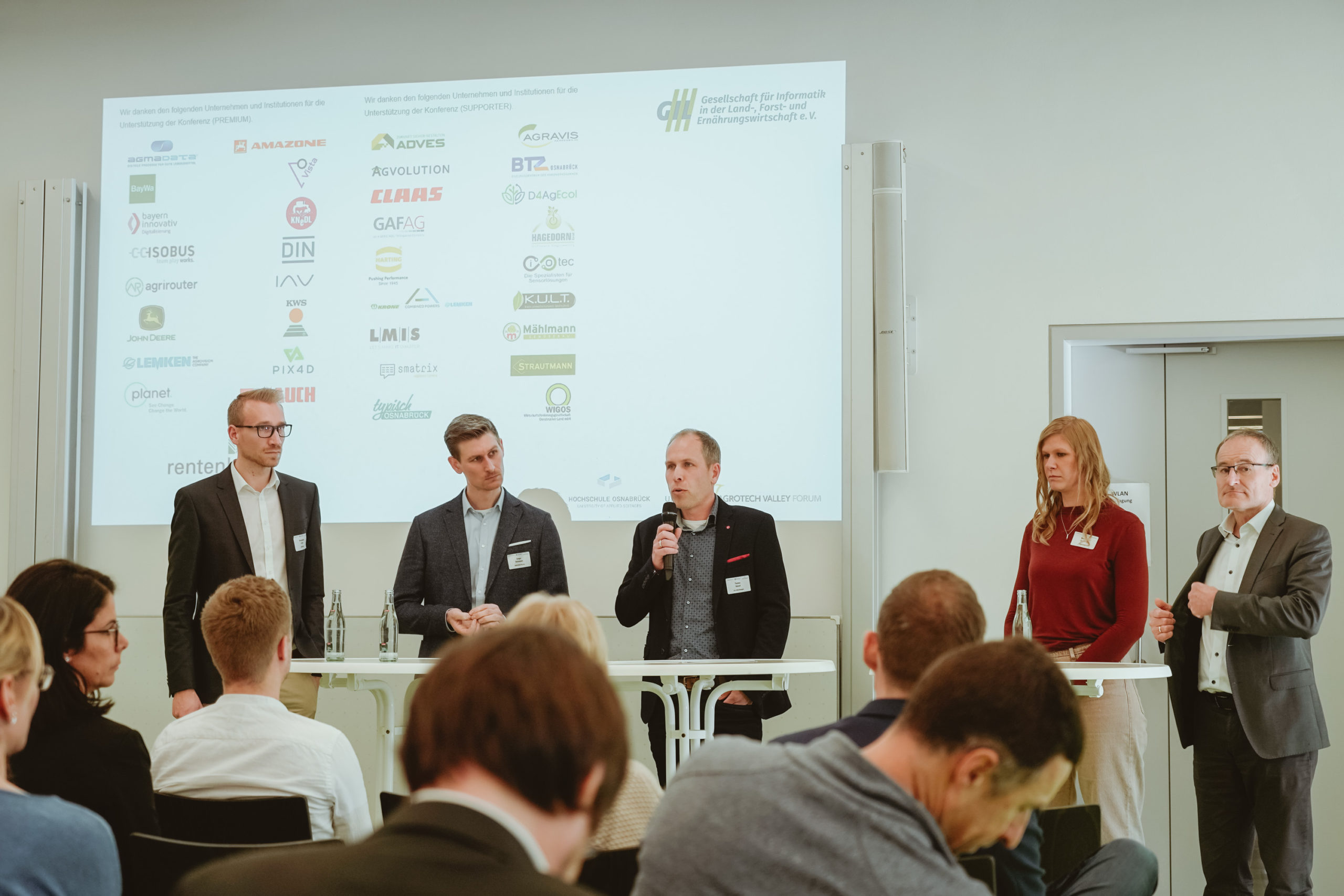
discussion forum with insights from the digital experimental fields in
Germany, the Innovation Farm in Austria and the Swiss Future Farm in
Switzerland. All contributions make it clear: the digital agriculture
and food industry is struggling with a great many external
challenges and is looking for innovative paths for tomorrow.
(Osnabrück, February 15, 2023). Record attendance at the Westerberg campus of
Osnabrück University of Applied Sciences: this week, more than 300 interested people are discussing the current challenges of the digital agriculture and food industry. The event was organized by the German Society for Informatics in Agriculture, Forestry and Food (GIL) in cooperation with Osnabrück University of Applied Sciences and the Agrotech Valley Forum e. V. “We are overwhelmed by the great response to our 43rd annual conference, both from universities and other research institutions and from the business sector,” says Dr. Christa Hoffmann. For the Chair of the GIL, one thing is clear: “In recent years, the Osnabrück region has developed into one of the hotspots for agricultural systems engineering and AI in agriculture and is therefore ideal as a conference venue for us.”
Around 100 talks and poster presentations cover topics such as data management,
robotics, crop protection and sensor technology. The program is rounded off by a visit to the neighboring
new Agro-Technicum research center of Osnabrück University of Applied Sciences and a
discussion forum with insights from the digital experimental fields in
Germany, the Innovation Farm in Austria and the Swiss Future Farm in
Switzerland. All contributions make it clear: the digital agriculture
and food industry is struggling with a great many external
challenges and is looking for innovative paths for tomorrow.
Pandemic, war and cyberattacks challenge the digital agriculture and food industry
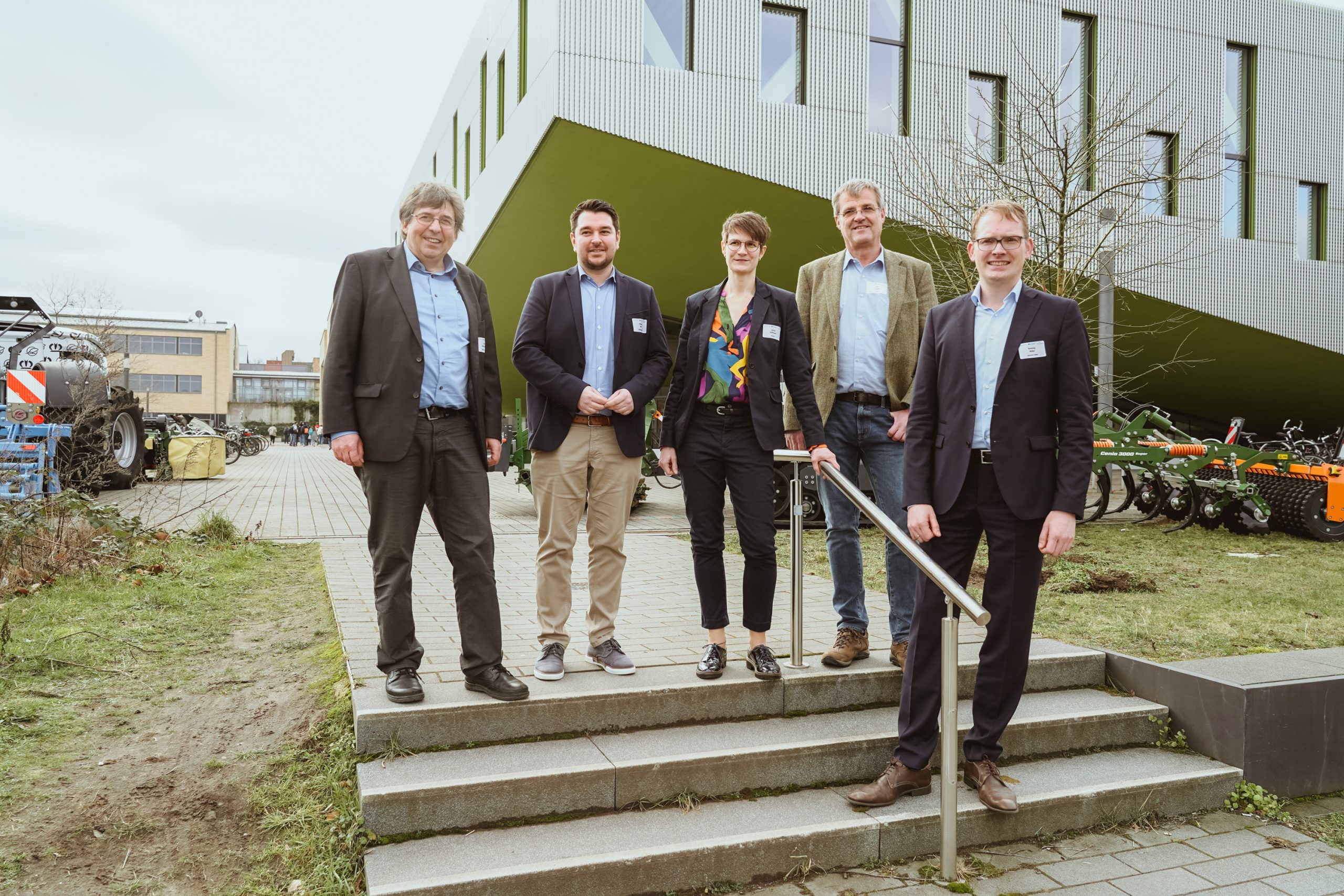
Hoffmann explains: “The coronavirus pandemic and the war in Europe have shown us how vulnerable our global supply chains are and what it means when products suddenly disappear from supermarket shelves. In addition, cyberattacks are probably testing the security of our industry every day.” This year's conference therefore focuses on the current challenges of agricultural informatics and on ways to make digital systems in the agriculture and food industry more resilient, i.e. more robust, sustainable and flexible, in the future.
For Dr. Henning Müller, Chair of the Agrotech Valley Forum e.V., one thing is clear: “Innovation happens through personal exchange. For our large regional network of agricultural systems engineering manufacturers, it is essential to keep receiving new impulses, whether from science or through exchange with other companies. Only together can we meet the challenges and try out new solutions.”
Collaboration with farmers, lawyers and occupational scientists
These are tested, for example, at the new Agro-Technicum research center of Osnabrück University of Applied Sciences. “We have an agricultural field right next to the labs in the middle of the campus and can test the technology we develop in the field within minutes. To make the technologies resilient, we also work in a highly interdisciplinary way. For example, in addition to practice partners such as farmers, lawyers and occupational scientists are involved in our projects from the very beginning. This allows us to take all these perspectives into account during the development phase,” says Prof. Dr. Arno Ruckelshausen, professor at the Faculty of Engineering and Computer Science at Osnabrück University of Applied Sciences.
Dr. Thilo Steckel of Claas E-Systems also sees a great need to make teams even more diverse in terms of expertise in the future: “Interdisciplinary collaboration is gaining a completely different significance. Exchange with the GIL, the university and the Agrotech Valley enables us to build contacts with other disciplines. In concrete terms, this means, for example, that in the field of AI we work closely with lawyers from the network to bring current developments in law and AI into practice.”
What else besides interdisciplinary collaboration is needed to make agricultural systems robust, sustainable and flexible and thus secure the future food supply? “The technology has to reach the farms. That is why expanding training offers for farmers is an important building block. This is the only way new technologies can really be put into practice,” says Müller, adding: “Openness to new technologies is essential here.” Hoffmann adds: “We need a secure framework for this. Who is responsible, for example, if a robot drives from the field onto the road in a worst-case scenario?” For Ruckelshausen, one thing is clear: “It takes people working together. We have to move forward together with farmers so that everyone sees the benefits of new systems. Only if we bring everyone on board from the start can the transfer of new, safer and more sustainable systems into practice succeed.”
More information
German Society for Informatics in Agriculture, Forestry and Food (GIL)
Dr. Christa Hoffmann
Call
Send an email
Hochschule Osnabrück
Prof. Dr. Arno Ruckelshausen
Call
Send an email
Agrotech Valley Forum e. V.
Dr. Henning Müller
Call
Send an email
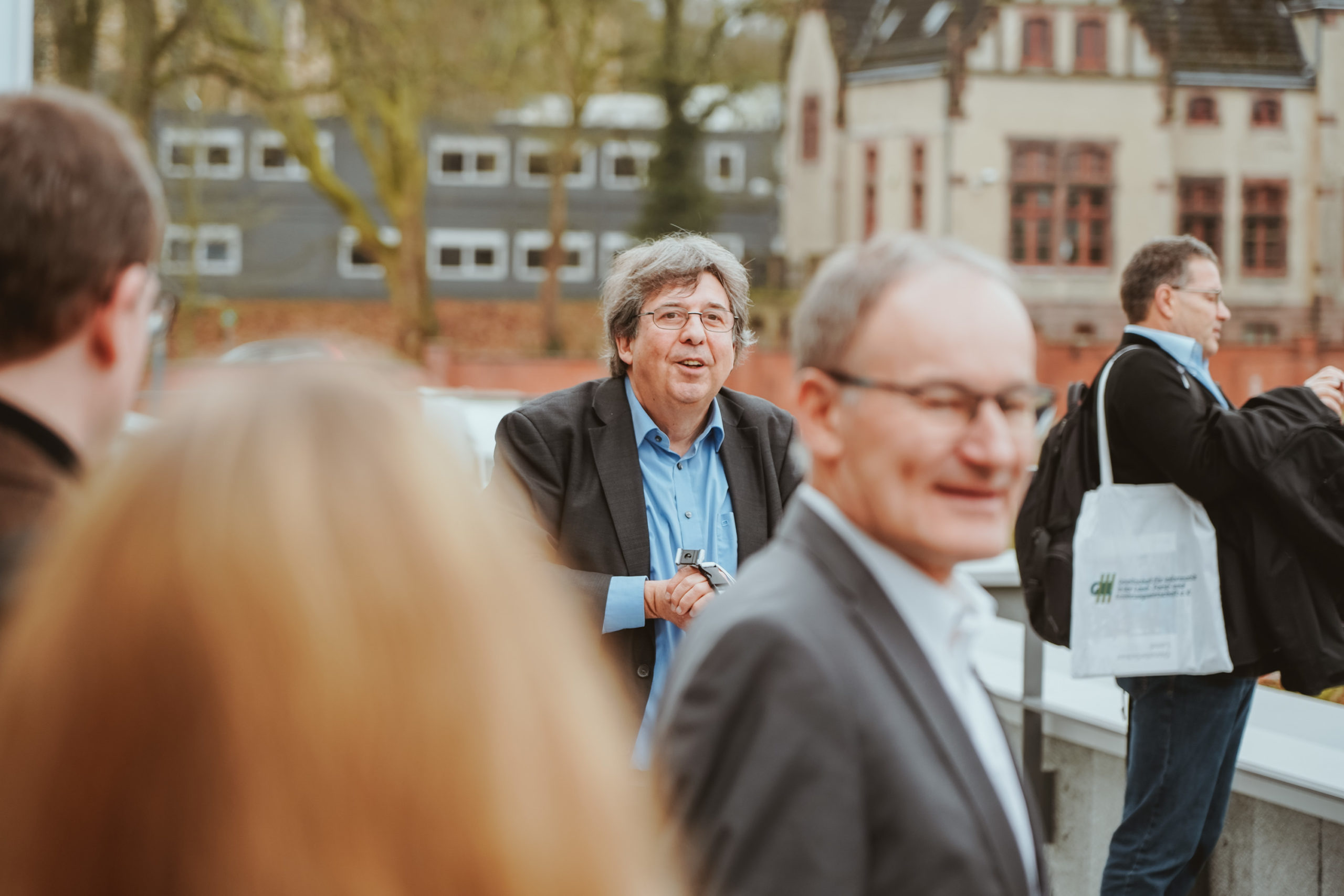
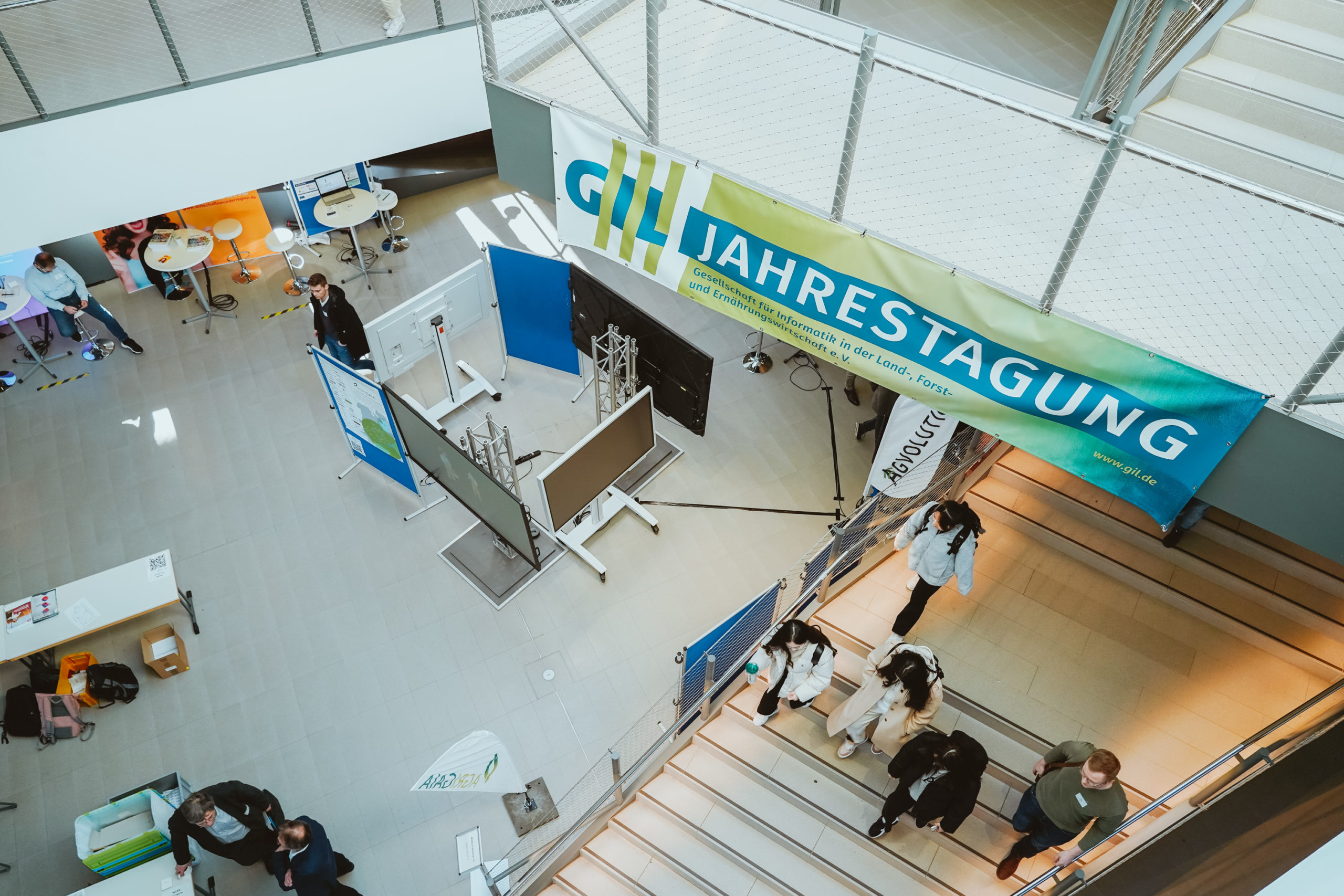
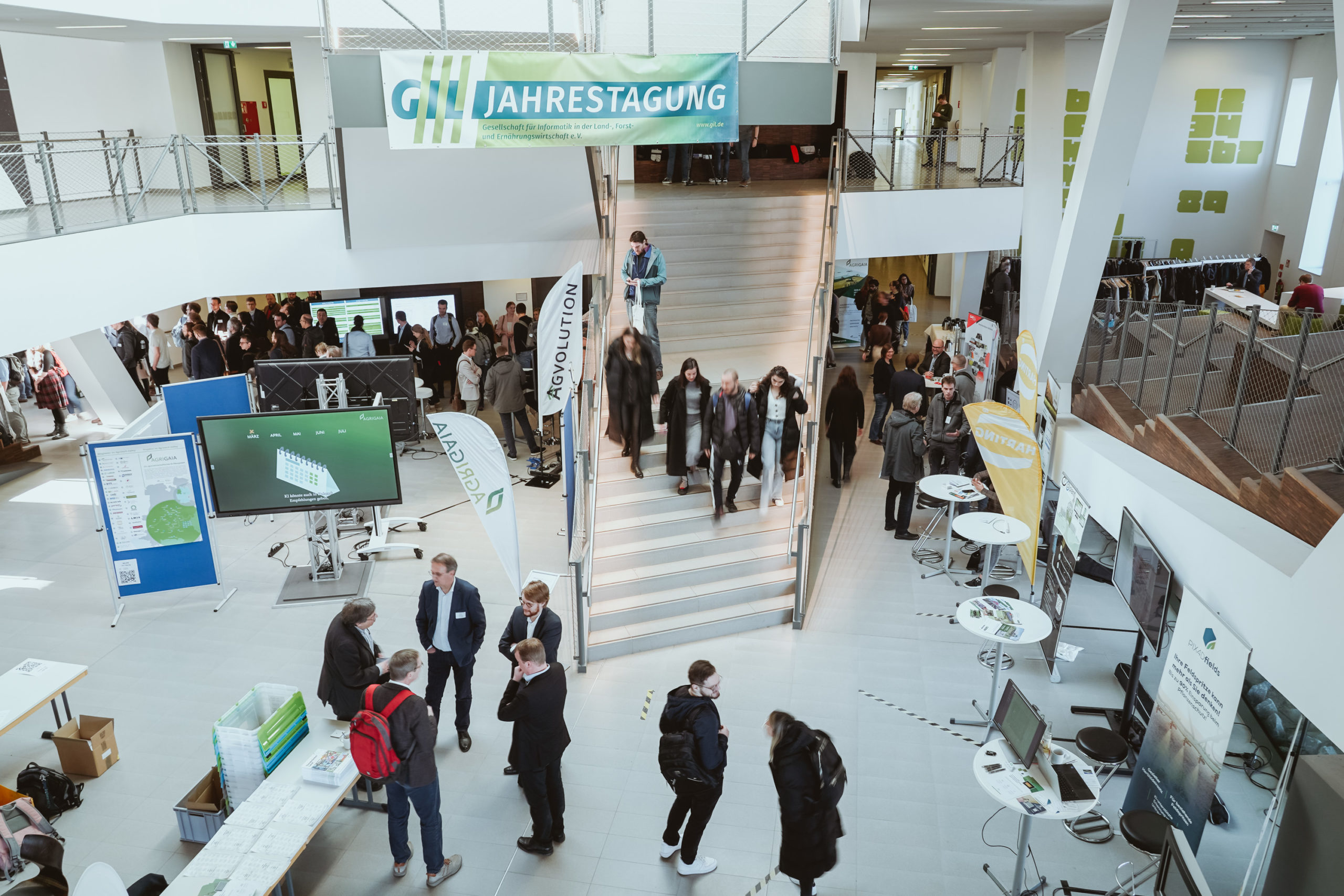
Impressions of the GIL conference
Copyright “Mirko Müller: Osnabrück University of Applied Sciences”